
Why Landrace Genetics Matter
Preserving foundational cannabis genetics to support future medicinal breeding, cannabinoid diversity, and long-term cultivar development.
Cannabis Before Hybridisation
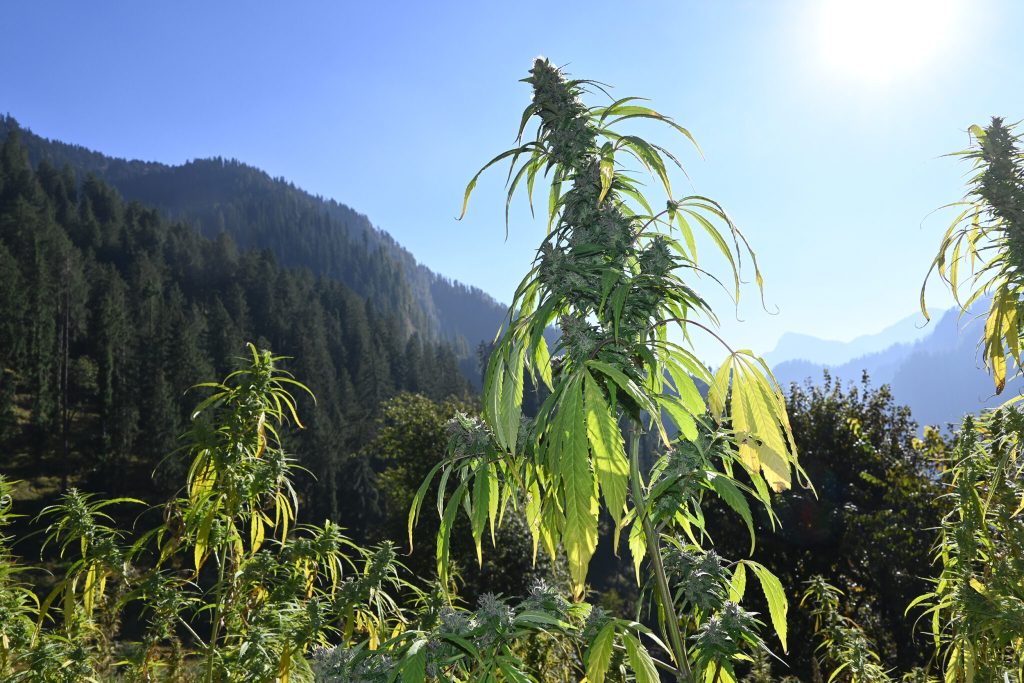
Landrace cannabis populations developed over generations within specific climates, latitudes, and environmental conditions. These populations evolved distinct flowering responses, growth structures, cannabinoid profiles, and terpene expressions shaped by their native regions.
Equatorial regions tended to favour long-flowering cannabis populations adapted to stable daylengths, while harsher mountain environments selected for faster-finishing plants capable of completing their lifecycle within shorter growing seasons.
The Commercial Shift Toward Potency
Modern cannabis breeding has often prioritised traits suited to commercial cultivation, including shorter flowering times, higher yields, and elevated THC concentrations.
While these developments improved production efficiency, repeated hybridisation also blended regional traits that were once more clearly expressed within traditional cannabis populations.
Preserving landrace genetics is not simply about conserving historical varieties. It is about maintaining functional biodiversity and protecting future breeding potential for medicinal cultivation.

Reintroducing Genetic Diversity
Modern cannabis breeding has produced a vast range of highly refined hybrid cultivars, many of which have been selectively bred toward similar commercial traits such as shortened flowering times, elevated THC concentrations, and production uniformity.
While these developments improved cultivation efficiency and consistency, repeated hybridisation within relatively narrow breeding pools can gradually reduce phenotypic diversity and compress broader adaptive potential over successive generations.
Certain landrace populations are also notable for expressing semi-autoflowering tendencies. These plants may transition into flowering more rapidly under changing environmental conditions while still retaining the ability to remain in vegetative growth under extended light cycles.
Because these traits can appear across both sativa-leaning and indica-leaning populations, they may offer alternative breeding pathways for reducing flowering times without relying exclusively on indica hybridisation.
Reintroducing older regional genetics into modern breeding projects may help reopen dormant trait pathways and expand the range of phenotypic expressions available to future selection work. Rather than functioning as static historical relics, preserved landrace populations provide foundational genetic diversity that can continue informing contemporary cultivar development.
Preserving landrace genetics maintains access to foundational gene pools that breeders can work from with greater clarity and precision.
Beyond THC
As medicinal cannabis research continues to evolve, increasing attention is being placed on the wider range of cannabinoids, terpenes, and environmental interactions that may contribute to cultivar expression and therapeutic potential.
Older regional populations and genetically diverse breeding pools may contain underexplored chemotypes, adaptive traits, and cannabinoid expressions that become increasingly difficult to recover through heavily hybridised commercial lines.
Maintaining broader genetic diversity may therefore provide additional breeding pathways for future cultivar development beyond the narrow selection pressures that have shaped much of modern commercial cannabis breeding.
Looking Forward
Future medicinal cannabis cultivation may increasingly depend on maintaining access to broader genetic diversity while refining controlled cultivation systems capable of expressing that diversity consistently and predictably.
As modern breeding continues to evolve, older regional genetics may provide valuable adaptive traits, environmental responses, and phenotypic pathways that remain underexplored within contemporary commercial breeding pools.
Rather than functioning solely as historical artefacts, preserved landrace populations may continue contributing to future cultivar development, environmental adaptation, and long-term medicinal breeding research.

