
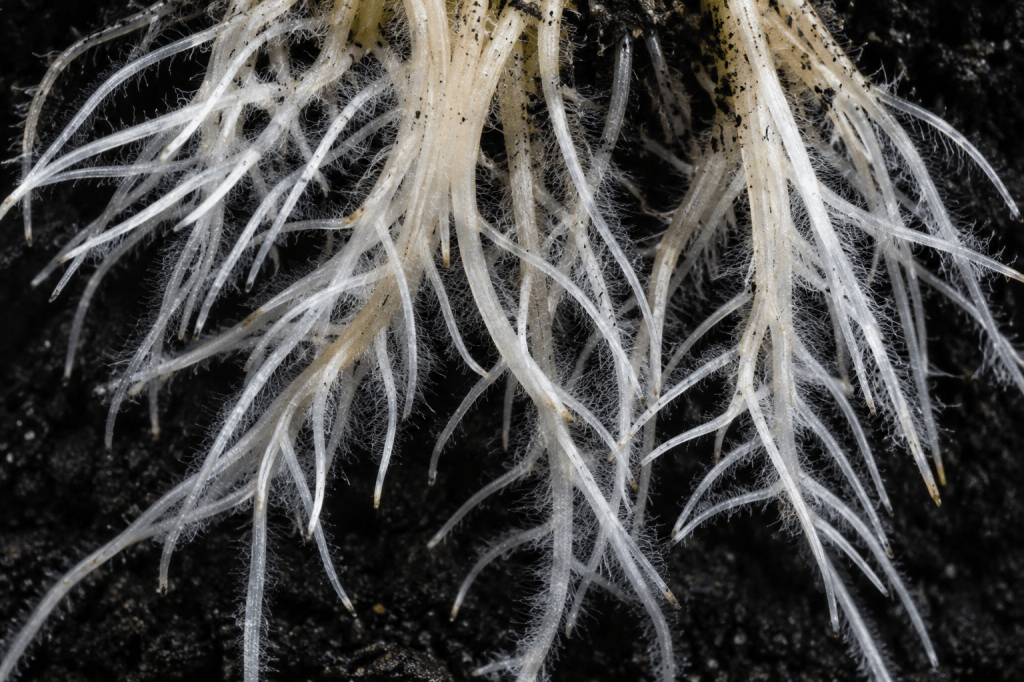
Living Soil
Biological cultivation systems, microbial steering, and precision environmental control.
Living Soil as a Biological System
Modern controlled-environment cultivation increasingly relies on precision steering techniques to regulate plant development through irrigation strategy, environmental control, and nutrient management.
Living-soil systems introduce an additional biological layer into the cultivation environment through the interaction of bacteria, fungi, and other microorganisms involved in nutrient cycling, stress response, root-zone signalling, and mineral availability.
Rather than serving as an inert substrate, biologically active soil functions as a dynamic ecosystem that can influence plant expression and development throughout the cultivation cycle.
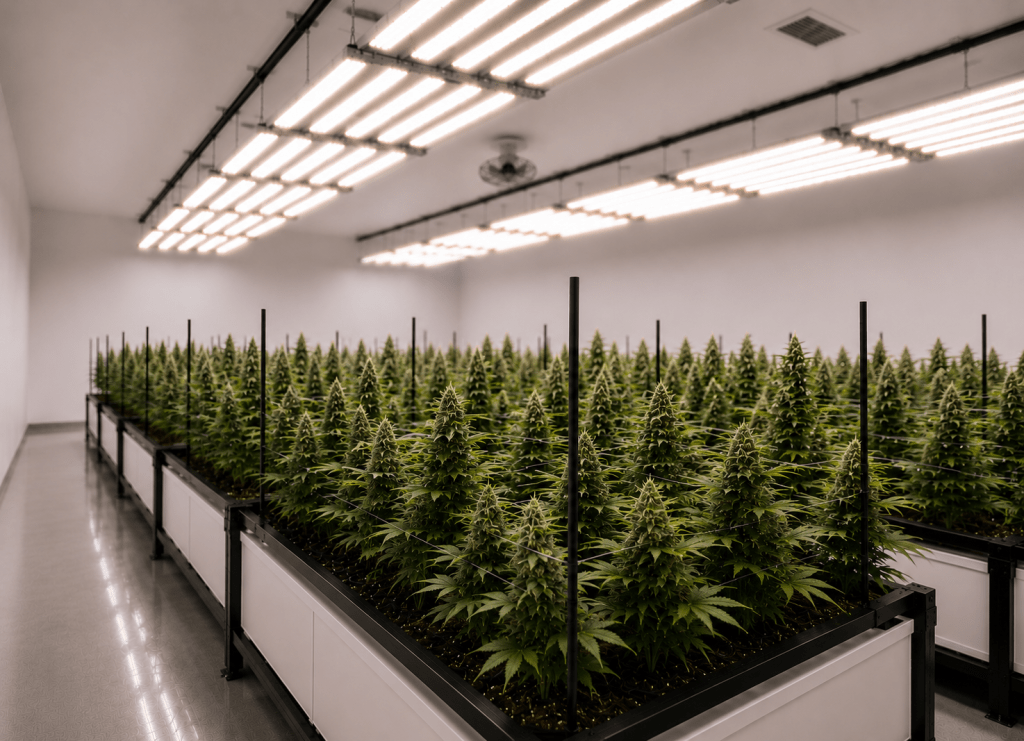
From Crop Steering to Biological Steering
Traditional crop steering methods focus primarily on measurable environmental and fertigation variables such as electrical conductivity, irrigation timing, substrate drybacks, humidity, temperature, and vapour pressure deficit.
Biological crop steering extends this methodology by incorporating microbial management into the steering process itself. Through deliberate inoculation strategies, cultivators can influence nutrient availability, microbial competition, root-zone interactions, and plant response patterns within controlled environments.
In biologically active systems, microorganisms may assist with phosphorus solubilisation, micronutrient mobilisation, exudate exchange, and broader nutrient cycling processes that are difficult to replicate through conventional mineral feeding alone.
Controlled Biological Environments
Controlled-environment cultivation allows cultivators to reduce external variability and establish highly repeatable growing conditions.
Within biological cultivation systems, this level of control can also extend to the root-zone microbiome itself. Rather than relying on uncontrolled microbial populations, some cultivation strategies begin with relatively sterile or highly controlled media before introducing specific microbial inoculants at targeted stages of development.
This approach allows cultivators to guide the establishment of biological populations with greater precision while reducing competition from less desirable organisms.
By selectively introducing bacterial and fungal species into a controlled root environment, cultivators can influence nutrient cycling, mineral availability, root-zone interactions, and broader plant response patterns across successive cultivation cycles.
Within this framework, the cultivation environment functions less like a passive growing medium and more like a managed biological system monitored and refined over time.
Data-Driven Biological Cultivation
Biological cultivation systems still rely heavily on measurable environmental and cultivation data. Electrical conductivity, irrigation frequency, substrate moisture content, vapour pressure deficit, temperature, and humidity remain central components of precision crop steering.
Within biologically active systems, additional emphasis is placed on monitoring the root environment itself. Soil and leaf analysis, microbial activity, nutrient availability, and plant response patterns can all be tracked to better understand how biological inputs influence cultivar development and overall system performance.
Rather than functioning independently from conventional environmental control, biological steering operates alongside it.
Environmental conditions, irrigation strategy, microbial succession, and nutrient cycling are treated as interconnected variables within a broader cultivation system. As cultivation data accumulates over successive cycles, biological steering can become increasingly refined, helping cultivators stabilise nutrient uptake, terpene development, and broader cultivar consistency.
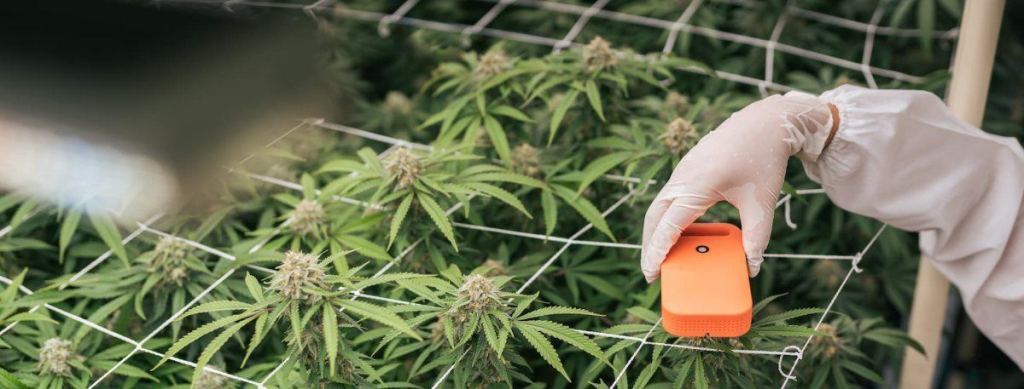
Expression Through Environmental Control
Genetic potential does not exist independently from the cultivation environment. Environmental conditions, substrate biology, irrigation strategy, and microbial interactions all influence how cultivars express throughout development.
Controlled biological cultivation systems aim to reduce unnecessary variability while preserving the complexity required for stable plant expression. Rather than pursuing yield metrics alone, biological steering can also be used to refine terpene development, plant structure, nutrient efficiency, stress tolerance, and broader cultivar consistency.
As environmental monitoring, biological analysis, and cultivation telemetry continue to evolve, controlled biological systems may offer increasingly precise methods for understanding the relationship between genetics, environment, and plant expression within modern cannabis cultivation.

